In the high-adrenaline world of motorsports, every component of a vehicle not only needs to meet strict safety standards, but also contribute to overall performance. Door cards, often overlooked in everyday vehicles, are a critical aspect in racing cars for various reasons. This blog delves into why replacing standard door cards with specialised alternatives is a common and beneficial practice in the realm of motorsport.
What Are Door Cards?
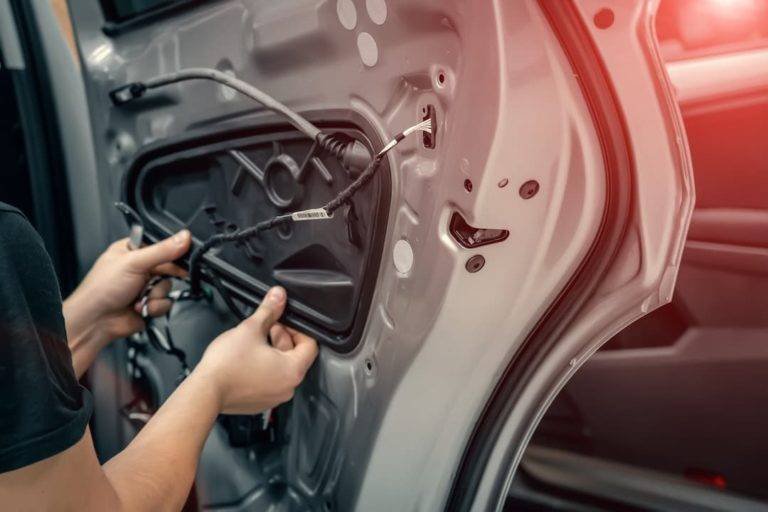
Door cards, also known as door panels, are the interior sections of a vehicle’s doors. In standard cars, these panels are typically designed for aesthetics, comfort and functionality. They’re the part which has elements like armrests, window controls and storage compartments. However, in a racing car, these traditional door panels are less about luxury and more about performance and safety.
Weight Reduction
One of the primary reasons for replacing door cards in a racing vehicle is to reduce weight. Standard door panels can be quite heavy due to the materials used, such as plastics, fabrics and padding. In motorsports, every kilogram saved can contribute to a faster lap time. Racing door cards are often made from lightweight materials like carbon fibre and are stripped down to the bare essentials, eliminating unnecessary weight and thus enhancing the vehicle’s performance.
Safety Enhancements
Safety is paramount in motorsports, and every element of a race car is designed with this in mind. Replacing standard door cards can also be a safety measure. In the event of an accident, traditional door panels can break into sharp, hazardous pieces, or their components (like speaker covers and pockets) can become projectiles. Racing door cards are typically simpler, with fewer components that could detach, reducing the risk of injury during a crash.
Compliance With Regulations
Motorsport governing bodies often have specific regulations regarding the construction and modification of race cars, including what is allowed inside the vehicle. Replacing door cards can be a compliance measure to meet these stringent standards, particularly in terms of fire resistance and emergency egress requirements.